Bedford Hill upholstery cleaning and stain removal Balham
Posted on 17/07/2026
If your sofa has started to look a little tired, or a spill has left a mark that refuses to budge, you are in the right place. Bedford Hill upholstery cleaning and stain removal Balham is about more than making furniture look better for a few days. It is about protecting fabrics, lifting odours, dealing with everyday wear, and knowing when a careful spot treatment is enough versus when a deeper clean is the safer move.
In a busy Balham home, that distinction matters. A cup of tea tips over. A guest sits down with make-up still fresh. A pet jumps up after a walk. Life happens, and it happens quickly. The good news? Most upholstery can be revived with the right process, the right product choice, and a bit of patience. This guide walks you through how upholstery stain removal works, what to avoid, and how to judge the best next step for your fabric, your furniture, and your peace of mind.
If you are also comparing wider home-cleaning help, it can be useful to look at upholstery cleaning in Balham, or explore the broader services overview if you are planning a bigger refresh. For renters, landlords, and busy households, a clean sofa often sits right alongside carpet care, end of tenancy work, and general domestic upkeep. It all connects.
Why Bedford Hill upholstery cleaning and stain removal Balham Matters
Upholstery takes a beating in a way many people do not notice until one day the fabric just looks dull. Unlike a hard surface, a sofa or armchair absorbs tiny traces of daily life: skin oils, dust, food crumbs, drink splashes, and odours. Over time, those small things build up. A room can feel clean enough at a glance, yet the furniture quietly tells a different story.
That is why Bedford Hill upholstery cleaning and stain removal Balham matters. The right treatment can extend the life of your furniture, reduce allergens trapped in fibres, and stop a small stain from becoming a permanent mark. It also helps with presentation. If you have guests coming over, are preparing a property for new tenants, or simply want your living room to feel fresher, the sofa often changes the whole room first. Funny how one piece of furniture can shift the mood, really.
There is also a practical side. The wrong home remedy can set a stain, flatten pile, leave rings, or alter the feel of the fabric. We have all seen it: someone reaches for a random cleaner, dabs too much, and suddenly the stain is gone but the patch around it looks worse. That is the bit people regret later.
Balham homes also tend to see a mix of traffic patterns. Families, sharers, commuters, home workers, and pet owners all use upholstery differently. Bedford Hill, being close to everyday routes and local life, often means furniture gets a steady stream of use rather than occasional use. In that setting, regular cleaning is less of a luxury and more of a sensible maintenance habit.
For anyone interested in how upholstery care fits into wider home upkeep, the local perspective in living in Balham: advice from residents gives a good sense of day-to-day life here, while finding peace and quiet in Balham reflects the calmer home environment many people try to keep. Clean upholstery is part of that feeling. Not glamorous, perhaps, but very noticeable.
How Bedford Hill upholstery cleaning and stain removal Balham Works
Professional upholstery cleaning is usually a mix of inspection, fibre identification, spot testing, targeted stain treatment, and a controlled cleaning method such as low-moisture extraction or careful hand cleaning. The exact approach depends on the fabric. Cotton, linen, wool, synthetic blends, velvet, and microfibre all behave differently. What lifts one stain on one sofa may damage another. That is why a proper first look matters so much.
The process normally starts with checking the label or fibre type, then assessing the stain. Is it greasy? Water-based? Protein-based? Dye-based? Old or fresh? If you skip that part, you are guessing. And guesswork is not very kind to fabric. A tea stain, for example, responds differently from a red wine spill, and both are different again from ink or makeup.
Once the fabric is identified, a cleaning plan is chosen. A trained cleaner will usually test a small hidden area first, because colourfastness and texture can vary even on the same sofa. Then the stain is treated using a suitable solution and the fabric is cleaned in a way that avoids over-wetting. Over-wetting is a big one. It can lead to long drying times, water marks, and in some cases a faint smell that lingers long after the job is done.
If the fabric is delicate, such as velvet or chenille, the method becomes even more careful. This is where a guide like washing velvet without harm is surprisingly relevant, because the same caution applies: gentle handling, minimal friction, and the right product balance matter a lot.
In practical terms, you should expect these stages:
- Initial inspection and fabric identification
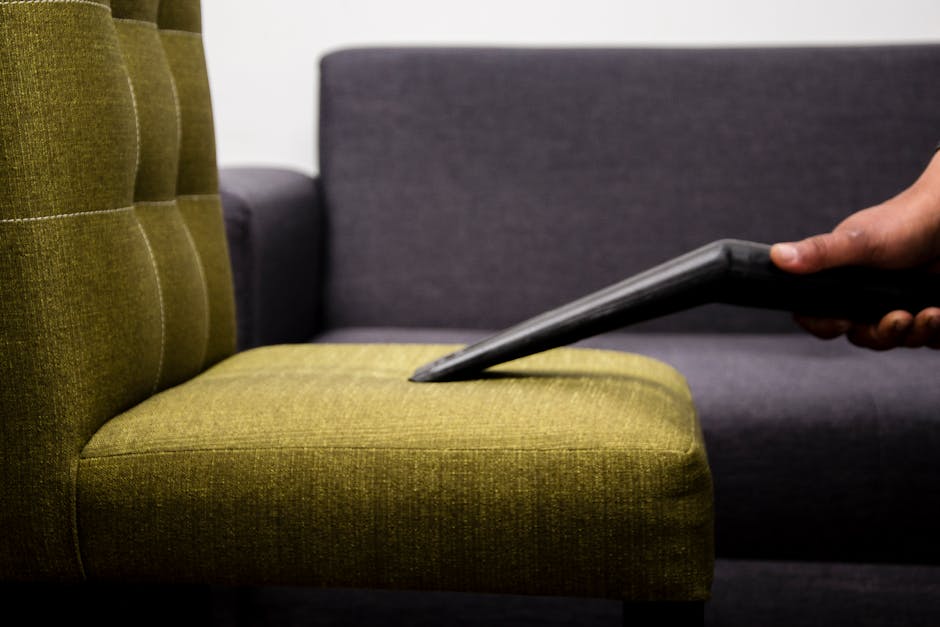
- Dry soil removal with vacuuming
- Spot testing in an inconspicuous area
- Pre-treatment of visible stains
- Deep cleaning or low-moisture extraction
- Careful grooming of fibres where needed
- Drying guidance and aftercare advice
That is the simple version. The more experienced the technician, the more refined each stage becomes. And yes, the order matters. Cleaning a sofa is not just "spray and hope."
Key Benefits and Practical Advantages
Fresh upholstery is obvious when you see it, but the real value goes beyond appearance. Here are the benefits that usually matter most to Balham households and local property owners.
- Better appearance: Colours look cleaner, fibres lift, and the room feels brighter.
- Improved hygiene: Regular cleaning removes build-up that can sit inside the fabric.
- Odour reduction: Food smells, pet odours, and stale indoor air are often reduced.
- Longer furniture life: Dirt acts like grit, so removing it helps fabric wear more slowly.
- Better stain control: Quick, correct treatment improves the chance of full removal.
- More comfortable living space: A clean sofa genuinely changes how a room feels.
For tenants, there is also a practical handover benefit. If you are preparing a property, upholstery care can sit alongside end of tenancy cleaning in Balham and can make the place feel far more move-in ready. Landlords notice that. So do incoming tenants, even if they only say it quietly.
For homes with children or pets, stain management is mostly about staying ahead of the next accident. A sofa that is already clean is easier to keep clean. Strange but true. Once fibres are heavily soiled, every new spill has more to cling to.
There is a money angle too, though I would keep it sensible rather than dramatic. Good upholstery care can delay replacement. That can be a meaningful saving, especially for quality pieces. Nobody wants to replace a perfectly decent sofa because of a handful of preventable stains.
Who This Is For and When It Makes Sense
Not every stain needs a full-scale intervention. Sometimes a quick, careful blot is enough. But Bedford Hill upholstery cleaning and stain removal Balham makes sense for people in a few common situations.
Families with active homes. Children spill things. That is life. Milk, juice, chocolate, crayons, and the occasional mystery mark all show up sooner or later.
Pet owners. Pets are lovely, but they bring fur, odour, and the occasional muddy paw print. If the sofa is their favourite lookout point, it will show.
Renters and landlords. Soft furnishings can strongly affect first impressions, especially around inspections or changeovers. For a bigger property reset, house cleaning in Balham or domestic cleaning in SW12 may be worth considering as part of the wider plan.
Home workers. If you spend all day in the same room, you start to notice what everyone else misses. A dusty armchair, a dull patch on a two-seater, that one old coffee ring. It all becomes strangely hard to ignore after a while.
People with fabric-specific furniture. Velvet, silk blends, linen, and light-coloured materials all need a more careful touch. The wrong method can leave a patch, distortion, or texture change.
Anyone dealing with fresh spills. This is the moment when good advice matters most. The first 10 minutes are often more valuable than the next 10 hours.
In short: if the furniture matters to you, or if the stain is visible enough to bother you every day, it probably makes sense to act sooner rather than later. Truth be told, people often wait too long because they hope the mark will magically disappear. It usually does not.
Step-by-Step Guidance
If you are handling a stain yourself before booking help, follow a calm, methodical process. Rushing usually makes things worse.
1. Identify the fabric first
Check the care label if it is available. If there is no label, think about the material. Velvet, suede-like fabrics, wool blends, and delicate natural fibres need more caution than many synthetics.
2. Act quickly, but not aggressively
Fresh spills should be blotted gently with a clean white cloth. Do not rub. Rubbing spreads the stain and pushes it deeper into the pile. Gentle pressure is better. Always.
3. Remove loose debris
Vacuum the area around the stain first. Crumbs and grit can scratch fibres if you start scrubbing straight away.
4. Test any cleaning solution
Try the product on a hidden area before using it on the visible stain. Wait for the fabric to dry if possible. Some reactions show up later, not immediately.
5. Use the right treatment for the stain type
Water-based stains often need a different approach from oily stains. Grease usually behaves differently from drinks, and pigment-based marks like ink or makeup can be stubborn. One size does not fit all here.
6. Blot, do not flood
Apply a small amount of cleaner and work in light layers. Over-wetting can create tide marks or soak the stuffing underneath. The stain may vanish and then reappear as a ring, which is deeply annoying.
7. Rinse lightly if needed
Some cleaning solutions need a very light rinse or extraction. Too much moisture left behind can attract more dirt later.
8. Dry properly
Open windows where suitable, use airflow, and avoid sitting on the fabric until it is dry. If the weather is damp, drying may take longer than expected.
If the stain is older, set-in, or on a delicate fabric, professional treatment is usually the safer option. It is simply not worth wrecking the texture of a good sofa over one patch. Not worth it at all.
Expert Tips for Better Results
A few small habits make a big difference with upholstery. These are the kind of details that often separate a decent result from a frustrating one.
- Keep a white microfibre cloth handy. Coloured cloths can bleed dye or make it harder to see what is happening.
- Always blot from the outside in. This keeps the stain from spreading outward.
- Use cool or lukewarm water unless the fabric guide says otherwise. Hot water can set some stains, especially protein-based ones.
- Vacuum upholstery regularly. It stops dry soil becoming embedded in the fibres.
- Rotate cushions when possible. That helps wear look more even.
- Clean spills quickly, but calmly. Panic leads to overdoing it.
A small but useful observation: the longer a stain sits, the more it tends to bond with the fabric. That does not mean all hope is lost, but the odds do get worse. If you have ever found a faint mark weeks later and thought, "I'll deal with that later," well, later is usually more work.
One practical extra tip is to consider the whole room. If the sofa is dusty and the carpet is also dull, tackling both at once can make the space feel much fresher. If that sounds like your situation, carpet cleaning in Balham may complement upholstery care nicely.
And yes, it is okay to admit that some stains are just beyond a DIY fix. That is not failure; it is judgement.
Common Mistakes to Avoid
The most common upholstery mistakes are usually simple, which is why they happen so often. A little confidence can be a dangerous thing with fabric.
- Rubbing the stain hard. This pushes the mark deeper and disturbs the pile.
- Using too much water. This can cause rings, shrinkage, or long drying times.
- Mixing random cleaning products. Bad idea. Some combinations are ineffective, and some are risky.
- Skipping a patch test. If a cleaner changes the colour, you will be glad you tested first.
- Using bleach on delicate fabrics. Bleach is far too harsh for most upholstery.
- Ignoring the underlayer. A stain may look superficial but still be sitting deeper in the cushion.
- Using heat too early. Heat can lock in certain stains, especially before you know what caused them.
There is also the classic mistake of assuming all upholstery cleaners are interchangeable. They are not. A product that works fine on one synthetic armchair could be far too strong for a textured natural fabric. If in doubt, step back and slow down. A little caution saves a lot of hassle.
One more thing people forget: if the furniture is valuable or sentimental, the safest option is not always the cheapest-looking one. The sofa from your first flat, your grandmother's armchair, the dining chair that somehow survived everything... those pieces deserve care, not experimentation.
Tools, Resources and Recommendations
You do not need a van full of equipment to deal with a small upholstery stain at home. But a few sensible tools help a lot.
| Tool | What it helps with | Practical note |
|---|---|---|
| White microfibre cloths | Blotting and gentle lift | Best for spotting stain transfer and avoiding dye bleed |
| Handheld vacuum | Removing crumbs and loose dirt | Useful before any wet treatment |
| Soft upholstery brush | Loosening dry soil | Use lightly; no scrubbing marathons |
| Spot-safe cleaning solution | Treating stains | Choose a product suitable for the fabric type |
| Clean towel or absorbent pad | Supporting drying | Helps control moisture after treatment |
If you are comparing professional help, think about three things: fabric experience, stain knowledge, and aftercare advice. You want someone who understands more than just "cleaning". You want judgement. That is especially true for delicate upholstery and mixed-fibre furniture.
It can also help to read about the company's approach to trust and safety before you book. Pages like about us, insurance and safety, payment and security, and health and safety policy are useful for understanding how a provider works and what standards they follow. In a service that involves your furniture, and often your home, that reassurance matters.
For pricing questions, pricing and quotes is the practical place to start. If you are curious about service boundaries or broader support options, the services overview is also worth a look.
Law, Compliance, Standards, or Best Practice
Upholstery cleaning itself is not usually the sort of service people connect with regulation first, but best practice still matters. In the UK, a trustworthy cleaner should work in a way that is safe for occupants, considerate of fabric care instructions, and mindful of the products used in the home. That means sensible handling, cautious testing, and clear communication about what can and cannot be removed.
If you live in rented accommodation, it is sensible to avoid accidental damage and to follow any relevant tenancy expectations around condition and cleaning. For landlords and letting situations, keeping soft furnishings in reasonable condition can help avoid disputes later. It is not about perfection; it is about fairness and evidence of proper care.
On the service side, a good provider should also have clear policies around complaints, privacy, terms, and accessibility. Those may seem like background pages, but they are part of the trust picture. If you want to understand how a company handles issues, complaints procedure, terms and conditions, privacy policy, and accessibility statement are all sensible reading.
For customers in Balham and nearby SW12 areas, the practical takeaway is simple: choose a cleaner who treats your upholstery as a material with specific needs, not as a generic surface. That single difference tells you a lot.
Options, Methods, or Comparison Table
There is more than one way to tackle upholstery stains, and the best choice depends on the fabric, the stain, and how quickly you act.
| Method | Best for | Pros | Limitations |
|---|---|---|---|
| Light DIY blotting | Fresh spills | Fast, cheap, easy to start | Limited effect on older or deep stains |
| Targeted spot treatment | Small localised marks | More controlled than full cleaning | Requires correct product choice |
| Low-moisture professional cleaning | General refresh and mixed stains | Safer for many fabrics, better overall finish | May need drying time and inspection first |
| Specialist fabric treatment | Delicate or valuable upholstery | Best protection for difficult materials | Usually slower, more careful, sometimes more costly |
In many homes, the smartest route is a mix: immediate blotting at home, then a proper clean if the stain stays visible. That approach often gives the best balance between speed and caution. And if the furniture is part of a rental property or a full home refresh, combining upholstery work with house cleaning in Balham or domestic cleaning in SW12 can be more efficient overall.
For anyone preparing a property near the local rental market, it may also help to read the nearby housing context in Balham housing market overview or the broader investment perspective in Balham real estate investment guide. Those pieces do not teach cleaning, of course, but they do explain why presentation matters so much in this area.
Case Study or Real-World Example
A typical Balham scenario looks something like this. A beige two-seater sofa in a flat off Bedford Hill has picked up a dark coffee splash on one cushion and a faint food mark on the arm. The homeowner has already tried a damp cloth, which lightened the stain a bit but left the fabric looking patchy. Not ideal.
In a case like that, the sensible move is to stop adding moisture, identify the fabric, and treat each stain according to its type. The coffee mark is likely water-based, while the arm stain may have oils or residue from food. A careful cleaner would spot test first, use targeted pre-treatment, and avoid scrubbing the whole cushion just because one spot looks bad. That's the trap. You end up with a clean circle and a dirty-looking halo around it.
After treatment, the sofa should be allowed to dry evenly with airflow, rather than being used immediately. In the afternoon, with a bit of daylight and the window open, the room starts to smell fresher, and the fabric regains a more even tone. It is not dramatic in a movie sense. It is quieter than that. But the difference is real.
This is also where a broader cleaning plan can help. If the sofa is part of a lived-in flat with heavy foot traffic, you may want to pair upholstery work with carpet cleaning in Balham and perhaps a general home clean. One without the other can leave the room feeling half done. It happens.
Practical Checklist
Use this checklist before you decide whether to clean a stain yourself or bring in help.
- Identify the fabric type if possible
- Check whether the stain is fresh or set
- Blot gently with a clean white cloth
- Avoid rubbing or scrubbing
- Do a small hidden-area test before using any product
- Keep moisture controlled and light
- Watch for colour change or texture damage
- Allow proper drying time
- Consider the age and value of the furniture
- Ask whether the stain might need specialist treatment
- Plan wider cleaning if the room feels generally tired
Expert summary: If the stain is fresh, act calmly and lightly. If the fabric is delicate, treat it with extra caution. If the mark is old, large, or unclear, do not gamble with a strong household cleaner. That usually ends badly, and nobody needs that headache on a Tuesday evening.
Conclusion
Bedford Hill upholstery cleaning and stain removal Balham is really about making everyday living easier. Clean upholstery lifts a room, reduces that low-level sense of grime people sometimes cannot quite put a finger on, and helps furniture last longer. More importantly, it gives you control when life throws a spill your way. And it will.
The key is to act with the right level of care: blot first, test before treating, and choose a method that suits the fabric rather than forcing a one-size-fits-all fix. If the stain is stubborn or the upholstery is valuable, a careful professional approach is usually the wiser choice. Honestly, that small bit of caution saves a lot of stress.
For homes, rentals, and workplaces across Balham, a well-cleaned sofa is one of those small wins that quietly makes the whole space feel better. Not flashy. Just satisfying. And sometimes that is exactly what a room needs.
Get a free quote today and see how much you can save.
If you are comparing related services or want to understand the company a little better before booking, you may also find about us and office cleaning Balham useful, especially if the upholstery issue is part of a broader property refresh.