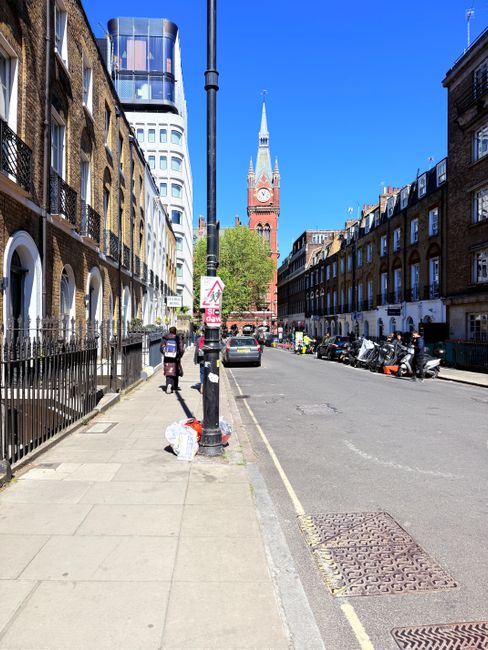
Balham High Road end of tenancy cleaning SW12
Posted on 04/07/2026
Balham High Road end of tenancy cleaning SW12: a practical guide for a smoother move-out
If you are moving out of a flat or house near Balham High Road, you already know the last week can feel oddly intense. Boxes everywhere, keys going missing for five minutes and then turning up in the kettle, and one last sweep of the rooms before handover. That is where Balham High Road end of tenancy cleaning SW12 becomes more than just a tidy-up. It is the difference between a rushed exit and a proper, defensible clean that matches what landlords and letting agents usually expect.
This guide breaks the process down in plain English: what end of tenancy cleaning actually covers, how it works in a real SW12 move-out, what to prioritise, where people get caught out, and how to avoid the sort of mistakes that lead to awkward deposit deductions. If you want the local service context as well, you may also find the wider services overview useful, especially if you are comparing options for carpets, upholstery, or a full property clean.
To be fair, most people do not need a perfect show-home finish. They need a thorough, evidence-friendly clean that resets the property properly. That is the real goal here.
Why Balham High Road end of tenancy cleaning SW12 matters
Balham High Road sits at the centre of a busy, lived-in part of South London. Rentals here move fast, tenants often live in compact spaces, and everyday wear builds up quicker than people realise. Grease on splashbacks, dust on skirting boards, limescale in bathrooms, marks behind radiators, and crumbs under white goods are all easy to miss during a normal weekly clean. At move-out, those details matter.
End of tenancy cleaning is not about overdoing it. It is about restoring the property to a condition that is reasonably expected under a tenancy agreement. In practice, that means a much deeper clean than domestic cleaning. If you have only lived in a place for a year or two, you may be surprised by how much grime has tucked itself into places you stop noticing. That is normal. Human eyes are brilliant at adapting, unfortunately.
For renters near Balham High Road, the stakes are straightforward:
- you want to avoid avoidable deductions from the deposit;
- you want to leave the property in a professionally presentable state;
- you want the handover process to be calm rather than combative;
- you may need a clean that aligns with landlord or agent expectations for inventory check-outs.
There is also a practical local angle. Properties around the High Road tend to see heavy everyday use because they are close to transport, shops, cafes, and busy routes in and out of the area. That means dust from foot traffic, cooking residues, and bathroom buildup can all become more stubborn. If your home has older finishes, textured paint, or a mix of laminate and carpet, the clean needs care as well as elbow grease.
Key takeaway: End of tenancy cleaning is really a risk-reduction step. It protects the deposit, reduces disputes, and gives the next inspection less room to turn into a debate.
How Balham High Road end of tenancy cleaning SW12 works
A proper end of tenancy clean follows a room-by-room, surface-by-surface method. The goal is not to make the place look lived-in and charming; the goal is to make it look reset. That usually means cleaning from top to bottom so dust and debris fall downward before the floors are finished.
In a typical SW12 move-out clean, the process often looks like this:
- Initial walk-through. The cleaner checks the property layout, surfaces, appliances, and any obvious problem spots such as heavy limescale or stains.
- Declutter and prep. Loose items are removed, cupboards are emptied, and any personal belongings are out of the way.
- Kitchen deep clean. Grease, food splashes, and appliance interiors are tackled. Ovens and extractor areas usually take the most time.
- Bathroom sanitation. Limescale, soap residue, grout marks, taps, toilet bases, and shower screens are treated carefully.
- Living areas and bedrooms. Skirting boards, doors, switches, internal windows, shelving, wardrobes, and dust traps are cleaned.
- Floors and carpets. Vacuuming is followed by mopping or specialist treatment where needed. If the carpet needs more than surface care, carpet cleaning in Balham can make a visible difference.
- Final inspection. The cleaner checks missed corners, touchpoints, and any areas likely to be reviewed during check-out.
For furnished properties, soft furnishings matter too. Sofa arms, chair seats, and curtain edges collect more dust than people think. If upholstery is part of the inventory, upholstery cleaning in Balham is often worth considering alongside the main clean.
And yes, the order matters. Wiping a shelf before dusting a high ledge is just asking for repeat work. Cleaning is a little bit choreography, a little bit grit, and a bit of "why is there always one more mark?"
Key benefits and practical advantages
The obvious benefit is a better chance of getting the deposit back in full, but there is more to it than that. A proper move-out clean saves time, lowers stress, and makes the property handover feel far more professional.
- Deposit protection: A strong clean reduces the likelihood of cleaning-related deductions, though it cannot cancel out damage or normal wear issues.
- Better first impression: Whether it is a landlord, letting agent, or inventory clerk, a clean property creates less friction.
- Less last-minute panic: Instead of trying to scrub ten different things at 10 p.m., you can focus on moving logistics.
- More thorough coverage: Professionals and experienced cleaners are less likely to miss behind-toilet edges, top shelves, or extractor fan areas.
- Cleaner transition for the next occupant: It is a small but decent courtesy, and it helps keep things moving smoothly for everyone involved.
If you are moving into a new place nearby as well, there is a nice overlap between good leaving habits and good settling-in habits. The local housing scene changes fast, and our Balham housing market overview gives a bit of context on why many residents end up working to tight move-in and move-out timelines. That rush is exactly when a structured cleaning plan pays off.
Another practical advantage? It can reveal issues before handover. A deep clean often exposes a hidden leak stain, a cracked tile, or a damaged seal that you can flag early rather than after the final inspection. Not glamorous, but useful.
Who this is for and when it makes sense
Balham High Road end of tenancy cleaning SW12 is useful for more people than you might think. It is not just for tenants who have "let things slide." Even tidy households run into move-out problems because end of tenancy standards are different from everyday standards.
This is a good fit for:
- Tenants leaving a rented flat or house and wanting a proper handover clean;
- Flatmates sharing a property who need a clear, practical division of final tasks;
- Landlords preparing a property for new occupants after a tenancy ends;
- Letting agents managing turnover who need a consistent standard across properties;
- Anyone with limited time because the move, work, and life all collide at once.
It makes particular sense when the property has one or more of these features:
- grease-heavy kitchens;
- bathrooms with visible limescale;
- carpets with traffic wear;
- furnished rooms with fabric items;
- pets, which add hair and odour to the mix;
- older appliances that need careful cleaning rather than aggressive scrubbing.
Truth be told, the hardest situations are not always the messiest ones. The hard ones are the almost-clean homes where the final 10% is hidden in places you do not think to check. That is where inspections tend to be won or lost.
If you are comparing move-out support with regular upkeep, the differences between domestic cleaning in SW12 and end of tenancy work are worth understanding. One is maintenance. The other is a finishing standard.
Step-by-step guidance
If you want a clean that stands up to an inventory check, use a methodical approach. Rushing tends to create streaks, missed areas, and that dreaded second round of cleaning after you thought you were done.
1. Start with a property-wide reset
Remove all personal items first. Empty cupboards, drawers, shower caddies, fridge shelves, and bathroom cabinets. Cleaning around belongings is slower and more error-prone. You also need clear access to every surface.
2. Work from high points down to low points
Dust light fittings, tops of cabinets, shelving edges, curtain poles, and the upper frames of doors before tackling lower surfaces. This avoids re-soiling finished areas. Simple idea. Huge time saver.
3. Focus on the kitchen early
The kitchen usually needs the most effort. Handle:
- oven interior and oven door glass;
- hob, splashback, and cooker hood;
- sink, taps, and drains;
- fridge and freezer interior;
- cupboard fronts and handles;
- worktops and corners where crumbs gather.
Grease is best treated patiently. If you scrub too aggressively, you can spread residue or damage delicate finishes. Warm water, suitable product, and time usually work better than brute force.
4. Bring bathrooms up to inspection standard
Bathrooms are all about details: around taps, under the toilet rim, along shower screens, at the base of the toilet, behind the sink pedestal, and in the grout lines. Limescale tends to build on taps and shower glass, especially in busy households. If you leave it until the end, it gets harder, not easier.
5. Treat soft furnishings and carpets properly
Vacuum carpets slowly, not in a mad zig-zag. Move the vacuum head across edges and under furniture if accessible. If the property has stubborn marks or a noticeable smell, specialist treatment may be better than a standard vacuum. That is where a local service like carpet cleaning Balham can help.
6. Finish with touchpoints and detail work
Wipe light switches, door handles, banisters, skirting boards, window ledges, and internal glass. These are the little things people notice without really noticing. Funny how that works. You only get credit for them when they are clean.
7. Do a final room-by-room check
Stand at the doorway of each room and scan for anything that catches the eye: smudges on doors, dust in corners, streaks on mirrors, or items left behind. One last walk-through in daylight is ideal if you can manage it.
Expert tips for better results
Over time, you start seeing the same patterns. The jobs that go well are not always the ones with the fanciest products. They are the ones with the clearest plan.
- Clean in layers. Dry dust first, then damp clean. If you go straight in with wet cloths, you can turn dust into a smear.
- Let products dwell where suitable. A cleaner left to work for a short period often lifts grime more effectively than immediate wiping.
- Use microfibre cloths for detail work. They tend to pick up fine dust better than rough paper towels.
- Keep separate cloths for kitchen and bathroom. No one wants bathroom residue near a food prep surface.
- Photograph tricky areas before and after. This is not about drama. It is just smart evidence if a dispute ever appears.
- Do the awkward places first. Behind the toilet, under appliances, and along trim lines are far easier when you still have energy.
A small local note: Balham properties often mix newer fitted kitchens with older bathrooms or period features. That combination can be charming, but it also means you need to clean different materials differently. Chrome, laminate, painted wood, and matte tile do not like the same treatment. A one-product-fixes-all mindset can backfire quickly.
And here is a little sanity-saving tip: if you are cleaning while still packing, keep a "final clean" box with cloths, gloves, bin bags, descaler, sponges, and a spare mop head. It saves a ridiculous amount of wandering around muttering, "where did I put that?"
Common mistakes to avoid
Most end of tenancy cleaning mistakes are completely avoidable. They happen because people are tired, rushed, or assuming a quick tidy is enough. It usually is not.
- Leaving appliance interiors until the last minute. Ovens, fridges, and freezers often take longer than expected.
- Forgetting hidden dust zones. Tops of doors, behind radiators, skirting board corners, and light fittings are classic misses.
- Using the wrong product on delicate finishes. Strong chemicals can damage sealed wood, matt surfaces, or certain fabrics.
- Ignoring limescale and soap residue. Bathrooms can look fine from a distance and still fail a closer look.
- Not checking the inventory list. If the tenancy mentions specific items or cleanliness expectations, read it before you start.
- Assuming "clean enough" is enough. Move-out cleaning has a stricter standard than your weekly routine.
One especially common issue is carpet neglect. A room can look good until the light shifts and you spot traffic wear near the door or a stain by the sofa. It happens all the time, and it is annoying because it was there the whole time, just hiding.
Another mistake: cleaning after the rubbish has already been taken out and the keys are nearly returned. By then, there is no breathing room. Build in a final buffer. You will thank yourself later.
Tools, resources and recommendations
You do not need a van full of equipment, but you do need the right basics. Good tools make the job less stressful and the finish more consistent.
| Area | Useful tools | Why they help |
|---|---|---|
| Kitchen | Degreaser, non-scratch sponge, microfibre cloths, scraper for safe use where suitable | Helps lift grease, dried residue, and sticky build-up without scratching surfaces |
| Bathroom | Limescale remover, toilet brush, old toothbrush, glass cloth | Reaches around taps, grout, screens, and awkward edges |
| General dusting | Microfibre cloths, duster, vacuum with attachments | Captures fine dust from skirting boards, shelves, and corners |
| Floors | Mop, bucket, appropriate floor cleaner, vacuum | Removes debris and leaves hard floors ready for inspection |
| Soft furnishings | Upholstery attachment, lint roller, fabric-safe cleaner | Useful for sofas, chairs, and other fabric surfaces |
If you are deciding whether to handle everything yourself or bring in help, the right choice often depends on timing and condition. A lighter property may only need a focused DIY clean plus a few specialist touches. Heavier use, carpets, or fabric furnishings can justify more structured support. Our pricing and quotes page can help you think through budget planning without guessing blindly.
For property owners and tenants who want reassurance around professionalism and process, it can also help to review a company's approach to insurance and safety and its broader health and safety policy. Not glamorous reading, granted, but useful if you care about who is coming into your home and how the work is handled.
Law, compliance, standards, or best practice
For end of tenancy cleaning, the main thing to understand is that expectations usually come from the tenancy agreement, the property condition, and the standard of cleanliness recorded at check-in. The exact wording varies, so it is sensible to read your documents carefully rather than relying on assumptions.
In the UK, disputes commonly centre on whether a property was returned in a reasonably comparable condition, allowing for fair wear and tear. That phrase gets used a lot, and it matters. Normal wear is not the same as neglect. A scuffed skirting board from years of living is not the same as a greasy kitchen or a bathroom left with heavy scale.
Best practice is simple:
- follow the inventory and check-in notes where available;
- keep before-and-after photos of the main rooms;
- retain invoices or records if you use a professional cleaner;
- flag pre-existing damage rather than trying to hide it;
- clean to the standard expected by the property type and condition, not just to your personal comfort level.
If you are in a shared flat, it is also worth agreeing responsibility early. "Someone else will do the oven" has a tragic habit of becoming no one does the oven. Classic flatshare energy.
For transparency about the business side of things, it can be useful to review pages such as terms and conditions, payment and security, and the complaints procedure. That is especially sensible if you are arranging a service for a move-out with tight timing and need clarity before work begins.
Options, methods, or comparison table
There is no single right way to handle move-out cleaning. The best choice depends on the property, your timeline, and how much work the home actually needs. Here is a straightforward comparison.
| Option | Best for | Pros | Limitations |
|---|---|---|---|
| DIY cleaning | Tidy properties, smaller flats, limited budgets | Lower cost, full control, flexible timing | Time-consuming, easy to miss inspection details, physically demanding |
| Partial professional help | Homes needing help in one or two problem areas | Targets the toughest jobs, keeps overall cost manageable | Requires good coordination and clear task division |
| Full end of tenancy clean | Most rented homes, busy tenants, furnished properties | More consistent finish, less stress, better for handover readiness | Higher upfront cost than doing it yourself |
There is a practical middle ground that works very well for a lot of people: handle decluttering, laundry, and light surface cleaning yourself, then bring in support for heavy areas like ovens, carpets, or upholstery. That approach often gives the best balance of cost and result.
If the home has a lot of fabric furnishings or soft seating, pairing the job with upholstery cleaning in Balham may be the difference between "looks okay" and "looks properly reset."
Case study or real-world example
Here is a realistic scenario from the kind of move-out people often face around Balham High Road.
A couple living in a two-bedroom flat had about six days between giving notice and handing back the keys. The place was not chaotic, but it had the usual signs of normal life: oven grease, bathroom scale, dusty shelves, and carpet marks near the hallway and sofa area. They started with packing, then left cleaning until the final two days. Big mistake. Not disastrous, just stressful.
Once they reset the plan, things improved quickly. They emptied the kitchen first, tackled the oven and fridge interiors, then moved through the bedrooms and living room with a top-down dusting method. The bathroom took longer than expected because the shower screen had mineral marks that would not shift on the first pass. A carpet refresh was also needed in the main living area because the entrance path showed clear foot traffic.
The turning point was when they stopped trying to "finish everything" in one go and divided the property into zones. Kitchen. Bathroom. Bedrooms. Final detail pass. That made the workload feel human again. Still tiring, but manageable.
What did they learn? First, start earlier than feels necessary. Second, do the hard bits first. Third, do not underestimate how much better a place looks once skirting boards, handles, and floors are genuinely clean. It is often those last details that change the whole feeling of a room. A bit like lighting, really.
They also realised a small but important truth: the clean did not have to be perfect in some impossible magazine sense. It had to be thorough, organised, and consistent. That is what actually counts at handover.
Practical checklist
Use this as a final sweep before inspection day. It keeps the process grounded and stops little jobs from slipping through the cracks.
- All personal items removed from cupboards, drawers, and shelves
- Kitchen appliances cleaned inside and out
- Oven, hob, extractor, and splashback degreased
- Fridge and freezer defrosted and wiped where required
- Bathroom taps, shower screen, tiles, and toilet area descaled and sanitised
- Skirting boards, doors, switches, and ledges dusted and wiped
- Windows, mirrors, and internal glass cleaned
- Carpets vacuumed thoroughly and any stains addressed
- Upholstery checked and cleaned if included in the inventory
- Bins emptied and waste removed
- Floors mopped or finished appropriately for the surface
- Any damage or pre-existing issues noted and documented
- Final room-by-room visual check completed in good light
It sounds simple. It is simple. The challenge is doing it in the right order, while tired, with a half-empty fridge and a missing charger. Welcome to moving house, basically.
Conclusion
Balham High Road end of tenancy cleaning SW12 is ultimately about making the move-out cleaner, calmer, and easier to defend. The best results usually come from a clear plan, a careful eye, and attention to the places most people forget. Kitchen grease, bathroom scale, hidden dust, and tired carpets are the usual suspects. Deal with those properly and you are already ahead.
If you are moving soon, do not wait until the last evening to figure it all out. Start with the biggest problem areas, keep your checklist simple, and decide early whether you need extra help with carpets, upholstery, or the whole property. A steady approach beats a panicked one every time. And honestly, your future self will be grateful for it.
Get a free quote today and see how much you can save.
For more background on the local area and the kind of homes people are moving in and out of, you may also enjoy reading about living in Balham and the quieter side of the neighbourhood in escaping the busy city life in Balham. If you are weighing up long-term property decisions, the Balham real estate investment guide may be helpful too.